Austin Airbnb Occupancy Rates by Neighborhood (2026 Data)
Understanding occupancy rates across Austin's diverse neighborhoods is critical for vacation rental success. This data-driven analysis examines 2026 performance metrics across the city's most popular short-term rental markets, revealing which areas consistently fill calendars and which struggle with vacancies. Whether you're evaluating a potential investment property or optimizing an existing listing, these neighborhood-specific insights help you make informed decisions about pricing, marketing, and property management strategies.
Market data shows that Austin's vacation rental landscape varies dramatically by neighborhood, with occupancy rates ranging from 55% to 85% depending on location, property type, and management quality. These differences reflect fundamental variations in guest demand patterns, competition density, and neighborhood characteristics.
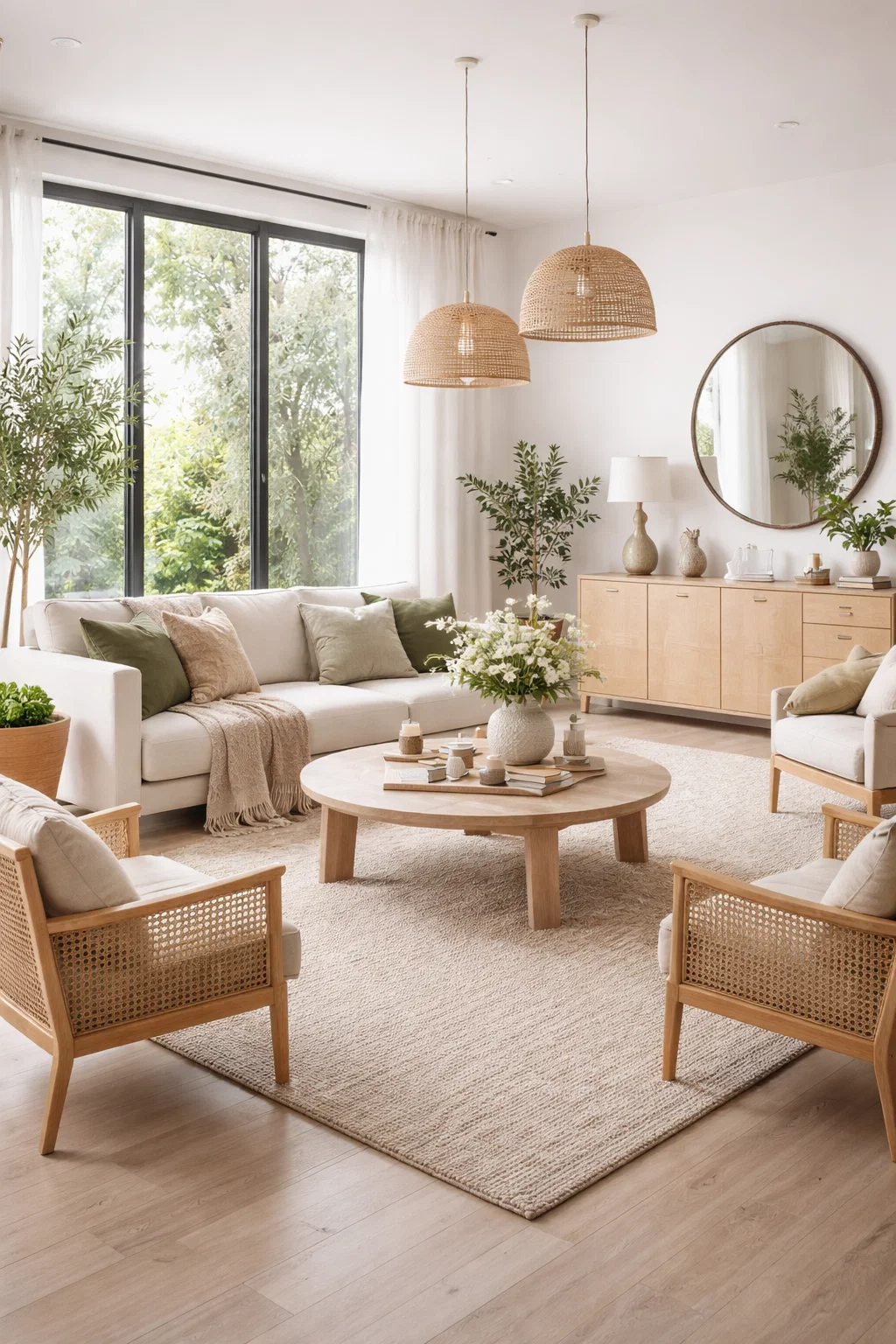
Weekend Warriors and Cultural Seekers
Properties immediately adjacent to South Congress Avenue command the highest occupancy and rates, often booking solid weekends months in advance during peak seasons. However, competition for these premium locations is intense, and properties lacking distinctive features struggle to stand out in search results.
Top TLDR
Austin Airbnb occupancy rates by neighborhood vary significantly in 2026, with downtown achieving 78-85% occupancy, East Austin reaching 72-78%, South Congress at 68-75%, and Hyde Park maintaining 65-72% annual occupancy. These variations reflect differences in guest demographics, seasonality patterns, and competition density across Austin's diverse neighborhoods. Use neighborhood-specific data to set competitive pricing, adjust minimum stay requirements, and implement targeted marketing strategies that align with local demand patterns.
Understanding occupancy rates across Austin's diverse neighborhoods is critical for vacation rental success. This data-driven analysis examines 2026 performance metrics across the city's most popular short-term rental markets, revealing which areas consistently fill calendars and which struggle with vacancies. Whether you're evaluating a potential investment property or optimizing an existing listing, these neighborhood-specific insights help you make informed decisions about pricing, marketing, and property management strategies.
Why Occupancy Rates Matter More Than You Think
Occupancy rate represents the percentage of available nights your property is booked over a given period. While average daily rate (ADR) often captures more attention, occupancy directly determines your annual revenue stability and cash flow predictability. A property commanding $400 per night with 50% occupancy generates less revenue than one earning $250 per night with 75% occupancy.
High occupancy rates also improve your listing's algorithmic ranking on platforms like Airbnb and Vrbo. Properties that book consistently receive preferential placement in search results, creating a positive feedback loop—better visibility drives more bookings, which further improves visibility. Understanding which Austin neighborhoods naturally achieve higher occupancy helps you work with market forces rather than against them.
Market data shows that Austin's vacation rental landscape varies dramatically by neighborhood, with occupancy rates ranging from 55% to 85% depending on location, property type, and management quality. These differences reflect fundamental variations in guest demand patterns, competition density, and neighborhood characteristics.
Downtown Austin: The Consistent Performer
Downtown Austin maintains the highest and most stable occupancy rates in the city, averaging 78% to 85% throughout 2026. This performance reflects consistent demand from multiple guest segments—business travelers attending conferences, tourists exploring Sixth Street and the entertainment district, and weekend visitors drawn to the capitol and cultural attractions.
The downtown core benefits from year-round bookings rather than seasonal fluctuations. While other neighborhoods see occupancy dips during summer heat or winter slowdowns, downtown properties maintain steady performance due to convention center activity, legislative sessions, and business travel. Properties within walking distance of the convention center achieve the highest occupancy, often exceeding 80% annually.
However, downtown's premium occupancy comes with trade-offs. Higher property costs, more frequent turnovers, increased wear and tear, and elevated cleaning expenses reduce net returns despite strong gross revenue. Properties here require more intensive management and faster response times to maintain the high standards guests expect at downtown price points.
Competition in downtown Austin is fierce, with over 2,000 active short-term rental listings competing for bookings. Achieving above-average occupancy requires professional photography, optimized listings, dynamic pricing, and exceptional guest experiences that generate five-star reviews. Properties that treat downtown hosting as a serious business consistently outperform those taking a casual approach.
East Austin: The Rising Star
East Austin has emerged as one of the city's strongest vacation rental markets, with occupancy rates averaging 72% to 78% in 2026. The neighborhood's combination of trendy restaurants, live music venues, street art, and proximity to downtown attracts a diverse guest base including young professionals, creative types, and culturally curious travelers.
Unlike downtown's business-heavy mix, East Austin draws primarily leisure travelers seeking authentic Austin experiences. This creates different demand patterns—stronger weekend performance, spikes during music festivals and cultural events, and sustained interest from visitors who prioritize neighborhood character over downtown convenience.
The neighborhood encompasses diverse sub-areas with varying performance. Properties near East Sixth Street and the core entertainment district achieve occupancy rates of 75% to 80%, while those further east in residential areas see 65% to 72% occupancy. Location within East Austin significantly impacts performance, making micro-location analysis essential for investment decisions.
East Austin's vacation rental supply has grown substantially over the past three years, increasing competition for bookings. Properties that differentiate themselves through unique design, local partnerships, and curated guest experiences maintain higher occupancy than generic listings. The neighborhood rewards creativity and authentic Austin character more than polished corporate aesthetics.
South Congress: Weekend Warriors and Cultural Seekers
South Congress (SoCo) maintains occupancy rates of 68% to 75% in 2026, with pronounced weekend peaks reflecting its status as a leisure destination. The neighborhood's iconic avenue lined with boutiques, restaurants, and the "I Love You So Much" mural attracts tourists seeking the quintessential Austin experience, creating strong Friday-Sunday demand but softer weekday performance.
Properties immediately adjacent to South Congress Avenue command the highest occupancy and rates, often booking solid weekends months in advance during peak seasons. However, competition for these premium locations is intense, and properties lacking distinctive features struggle to stand out in search results.
SoCo's occupancy patterns show significant seasonality, with spring and fall peaks coinciding with pleasant weather and major events like SXSW and Austin City Limits. Summer occupancy typically dips to 60% to 65% as heat discourages walking tours of the neighborhood. Winter months see similar softness, though holiday periods remain strong.
Parking availability significantly impacts SoCo vacation rental performance. Properties with dedicated parking achieve 8% to 12% higher occupancy than those relying on street parking, as guests value convenience and security. This factor alone can determine whether a SoCo property thrives or underperforms market benchmarks.
Hyde Park and North Central: Steady and Sustainable
Hyde Park and surrounding North Central neighborhoods maintain occupancy rates of 65% to 72% in 2026, reflecting their appeal to families, academic visitors, and professionals seeking quieter accommodations away from downtown chaos. These areas benefit from proximity to the University of Texas, which creates consistent demand during the academic year from visiting parents, prospective students, and academic conference attendees.
Occupancy in these neighborhoods follows the university calendar, with peaks in August-September (move-in season), October (family weekends), and May (graduation). Summer months see softer performance at 55% to 60% occupancy when student-related travel decreases, though family vacations provide some demand stability.
Properties in Hyde Park attract longer-stay guests than downtown or SoCo, with average booking lengths of 3.5 to 4 nights compared to 2 to 2.5 nights in entertainment districts. These longer stays reduce turnover costs and operational complexity, offsetting lower nightly rates and creating more sustainable hosting models.
However, navigating Austin's regulations in residential neighborhoods like Hyde Park requires careful attention to neighbor relations and noise considerations. Properties with excellent guest screening and clear house rules maintain higher occupancy through positive neighborhood relationships that prevent complaints or enforcement actions.
West Austin and Lake Travis Area: Luxury and Leisure
West Austin neighborhoods and the Lake Travis area present a different occupancy profile, averaging 60% to 68% in 2026. These properties serve primarily as destination stays for groups seeking space, privacy, and resort-style amenities rather than urban convenience. Lower occupancy rates reflect higher nightly rates and longer booking windows—guests planning these stays book weeks or months in advance.
Lake Travis properties show pronounced weekend and holiday demand, with Friday-Sunday occupancy often exceeding 85% while weekday performance drops to 35% to 45%. This pattern creates feast-or-famine revenue cycles that require careful financial planning and pricing strategies to maintain profitability.
The luxury segment in West Austin faces unique challenges. These properties require substantial investment in maintenance, landscaping, pool service, and amenities to justify premium rates. When occupancy dips, high fixed costs quickly erode profitability. Successful operators in this segment focus on creating Instagram-worthy experiences that generate organic marketing through guest social media posts.
However, properties that nail the luxury vacation rental formula—stunning design, top-tier amenities, impeccable service, and unique features like lakefront access or panoramic views—can achieve revenue per available night that exceeds downtown properties despite lower occupancy percentages.
Seasonal Variations Across All Neighborhoods
Austin's vacation rental occupancy demonstrates clear seasonal patterns, though the magnitude varies by neighborhood. Understanding these cycles allows for strategic planning around pricing, maintenance, and marketing efforts.
Spring (March through May) represents peak season citywide, with occupancy rates increasing 15% to 25% above annual averages. SXSW in March creates the single biggest occupancy spike, with properties in all neighborhoods exceeding 95% occupancy for the 10-day festival period. Easter weekend and spring break drive additional demand, particularly for properties appealing to families.
Summer (June through August) shows divergent patterns by neighborhood type. Downtown and business-oriented areas maintain solid 70% to 75% occupancy due to corporate relocations and summer conferences. Leisure-focused neighborhoods like SoCo and Hyde Park see occupancy drop to 55% to 65% as heat deters walking-intensive tourism. Lake Travis properties often perform well in summer despite heat, as guests prioritize water access.
Fall (September through November) brings strong occupancy across all neighborhoods. University of Texas football season drives weekend demand, particularly for Hyde Park and North Campus properties. Austin City Limits Music Festival in October and Formula 1 at Circuit of the Americas create major booking spikes. Comfortable weather encourages urban exploration, boosting SoCo and East Austin performance.
Winter (December through February) presents the softest occupancy period, averaging 50% to 60% citywide except during holiday weeks. New Year's Eve, Super Bowl weekend, and Valentine's Day maintain strong performance, but January-February generally show the lowest occupancy of the year. Many successful operators schedule major maintenance and property improvements during this period.
Factors That Drive Above-Average Occupancy
Certain property characteristics and management practices consistently correlate with higher-than-average occupancy across all Austin neighborhoods. Understanding these factors helps you optimize performance regardless of location.
Professional photography impacts occupancy more than any other single factor. Properties with high-quality, professionally shot images achieve 15% to 30% higher occupancy than comparable properties with amateur photos. Guests make booking decisions primarily based on visual appeal, and professional photography creates the crucial first impression that drives click-through rates and conversion.
Instant booking functionality increases occupancy by 8% to 15% by capturing impulse bookings and reducing guest friction. Travelers increasingly expect immediate confirmation, and properties requiring manual approval lose bookings to instant-book competitors. However, instant booking works best with proper guest screening tools to maintain quality.
Response time dramatically impacts both algorithmic ranking and guest booking behavior. Properties responding to inquiries within 30 minutes achieve significantly higher conversion rates than those taking several hours. Platforms like Airbnb prioritize responsive hosts in search results, creating compound benefits for quick responders.
Review quality and quantity drive occupancy through both direct guest influence and platform ranking algorithms. Properties with 4.8+ star averages and substantial review counts (50+ reviews) book more consistently than newer listings or those with lower ratings. Every review matters, as guests heavily weigh recent experiences when making booking decisions.
Dynamic pricing optimization helps maintain high occupancy during slower periods by adjusting rates to match demand conditions. Properties using sophisticated pricing tools achieve 10% to 20% higher annual occupancy than those with static rates, as they remain competitive during soft periods while maximizing revenue during peaks.
Competitive Analysis and Market Saturation
Understanding competitive density in your target neighborhood helps set realistic occupancy expectations and informs differentiation strategies. Austin's short-term rental supply has grown significantly, with over 5,500 active listings citywide in 2026.
Downtown Austin hosts approximately 2,200 vacation rental listings, creating the highest competition density in the city. This saturation means even well-managed properties face occupancy pressure unless they offer distinctive value or target specific niches. New entrants to downtown face particular challenges breaking through established listings with hundreds of reviews.
East Austin has seen explosive supply growth, adding over 800 new listings in the past two years. This expansion has begun impacting occupancy rates, which have declined 5% to 8% from 2024 peaks. Properties that entered the market early with grandfathered Type 2 licenses maintain advantages, while newer entrants face stiffer competition.
South Congress and Hyde Park show moderate competition levels with relatively stable supply due to zoning restrictions limiting new Type 2 licenses. Properties in these areas benefit from supply constraints that support occupancy rates and pricing power.
Lake Travis and West Austin face less direct competition due to the unique characteristics of luxury properties—each competes more on distinctive features than pure availability. However, the luxury segment's smaller total addressable market means finding the right guests takes longer, contributing to lower occupancy percentages.
Strategies to Improve Occupancy in Your Neighborhood
Regardless of which Austin neighborhood hosts your property, specific strategies consistently improve occupancy performance and help you capture a larger share of available demand.
Optimize your minimum stay requirements based on neighborhood demand patterns and your property's target guests. Downtown properties benefit from accepting 1-night stays to capture business travelers, while Lake Travis properties should implement 2 or 3-night minimums to attract their typical guest profile. Adjust minimums seasonally—relax them during slow periods to fill gaps, tighten them during high-demand weekends.
Create neighborhood-specific listing content that helps your property appear in relevant searches. Use location descriptors guests actually search for—"Downtown Austin near Convention Center," "East Austin Arts District," "South Congress Walkable"—rather than generic descriptions. Include neighborhood landmarks, distances to attractions, and local insider tips that demonstrate authentic area knowledge.
Partner with local businesses to create unique experiences that differentiate your property. Coffee shops offering delivery, tour operators providing discounts, or restaurants reserving tables for your guests add value that generic listings cannot match. These partnerships appear in your listing description, making your property more appealing and memorable.
Maintain flexible cancellation policies during slower periods to reduce booking friction. While strict policies protect revenue during peak demand, they deter bookings during soft periods when travelers have many options. Dynamic cancellation policies that vary by season optimize both occupancy and revenue protection.
Consider working with professional property management services that have proven track records improving occupancy. Experienced managers understand the nuances of each Austin neighborhood, maintain relationships with repeat guests and corporate clients, and implement optimization strategies that most individual owners lack time or expertise to execute effectively.
Using Occupancy Data for Investment Decisions
For investors evaluating Austin vacation rental opportunities, occupancy data provides crucial insights into potential returns and risk profiles across different neighborhoods.
Calculate revenue per available night (RevPAN) rather than focusing solely on average daily rate when comparing neighborhoods. RevPAN multiplies ADR by occupancy percentage, revealing true revenue potential. A downtown property earning $300/night with 80% occupancy generates $240 RevPAN, outperforming a luxury property charging $500/night with 55% occupancy ($275 RevPAN) despite lower nightly rates.
Assess occupancy stability alongside average levels. Properties maintaining 70% occupancy year-round generate more predictable cash flow than those hitting 85% in peak months but dropping to 45% in winter. Stability matters for covering fixed costs like mortgages and reducing financial stress.
Factor in operational costs associated with different occupancy levels. High-occupancy downtown properties incur more cleaning, maintenance, and management expenses due to frequent turnovers. Lower-occupancy luxury properties may generate similar net income despite lower gross revenue due to reduced operational intensity.
Consider your own goals and risk tolerance. Investors seeking maximum cash flow should target high-occupancy neighborhoods like downtown and East Austin, accepting higher management intensity. Those seeking appreciation potential with modest cash flow might prefer West Austin, where property values increase faster despite softer rental performance.
Research zoning and licensing eligibility before factoring occupancy data into investment decisions. The highest-occupancy neighborhoods mean nothing if you cannot obtain required permits. For detailed guidance on Austin's regulatory landscape, review our comprehensive analysis of Austin's short-term rental regulations.
Looking Ahead: 2026 and Beyond
Austin's vacation rental market continues evolving, and occupancy patterns will shift in response to supply growth, regulatory changes, and broader travel trends.
New Type 2 license restrictions implemented in 2022 are beginning to impact supply dynamics. Neighborhoods where new licenses are banned should see occupancy rates stabilize or improve as demand growth outpaces supply. Conversely, areas still allowing new licenses may experience continued occupancy pressure as more properties enter the market.
Remote work and digital nomad trends are reshaping occupancy patterns toward longer-stay bookings. Properties that cater to this segment with dedicated workspace, fast internet, and monthly pricing achieve higher effective occupancy through fewer, longer bookings. This trend particularly benefits residential neighborhoods like Hyde Park over party-centric downtown locations.
Corporate housing demand from Austin's growing tech sector creates new opportunities for mid-term rentals (30 to 90 days). These bookings offer exceptional occupancy stability but require different amenities and guest experiences than typical short-term travelers. Properties that can serve both markets flexibly maximize annual occupancy.
The key to sustained high occupancy in Austin's evolving market is adaptability. Hosts who continuously monitor performance data, adjust strategies based on results, and remain attuned to shifting guest preferences will maintain strong occupancy regardless of market conditions. Those treating vacation rentals as set-it-and-forget-it investments will increasingly struggle as competition intensifies and guest expectations rise.
Understanding Austin Airbnb occupancy rates by neighborhood provides the foundation for informed decision-making, but successful hosting requires translating data into action through pricing optimization, listing improvements, and exceptional guest experiences.
Bottom TLDR
Understanding Austin Airbnb occupancy rates by neighborhood is essential for maximizing vacation rental performance and making sound investment decisions. Downtown and East Austin lead occupancy metrics due to consistent demand from business and leisure travelers, while residential neighborhoods like Hyde Park show steadier but lower rates. Improve your property's occupancy in any Austin neighborhood by investing in professional photography, implementing dynamic pricing, maintaining fast response times, and creating authentic local experiences that generate five-star reviews and drive repeat bookings.
Full-Service Luxury STR Management
What We Offer:
Listing optimization across Airbnb, VRBO, and more
Professional staging and design guidance to capture attention
Dynamic pricing to stay competitive in Austin’s fast-paced market
24/7 guest communication with a hospitality-first approach
On-the-ground operations: cleaning, restocking, inspections, and maintenance
Owner reporting with clear monthly financials and performance tracking
Work with a Top-Rated Austin Airbnb Cohost
If you're searching for the best Airbnb cohost in Austin, a trusted partner for vacation rental management, or a professional solution for Airbnb property management in Austin, you've found it.
Sora Stays is built to serve discerning property owners who want maximum revenue and minimum effort.
Work with a Top-Rated Austin Airbnb Cohost
Let’s discuss how we can elevate your property and simplify your hosting experience. Reach out today and see why we’re Austin’s leading luxury short-term rental management company.
Why Choose Sora Stays as Your Airbnb Cohost in Austin?
From East Austin condos to Hill Country estates, we handle every detail of your rental with five-star precision. Our local expertise, hands-on approach, and luxury hospitality standards make us the trusted choice for vacation rental property management in Austin.
We’re more than just Airbnb cohosts—we’re strategic partners dedicated to protecting your asset, enhancing guest experience, and optimizing profitability.