Why Westlake Hills Demands Specialized Luxury Management
Westlake Hills represents Austin's premier luxury vacation rental market where properties command $500-$1,200+ nightly rates through exceptional locations, resort-style amenities, and affluent guest demographics. The 78746 zip code consistently ranks among Austin's most expensive residential areas, with July 2025 recording a $7.05 million MLS sale and median luxury home prices reaching $1.845 million. This affluent positioning creates vacation rental opportunities distinct from standard Austin markets—guests booking Westlake Hills properties expect five-star hospitality standards, white-glove services, and impeccable property conditions justifying premium rates that exceed typical Austin listings by 150-400%.
Managing luxury vacation rentals in Westlake Hills requires operational sophistication beyond standard property management capabilities. Property values often exceed $2-3 million with furnishings and amenities representing $150,000-$300,000 investments, demanding protection through meticulous maintenance, comprehensive insurance, and careful guest screening. Affluent guests paying $4,000-$8,000 for week-long stays scrutinize every detail from thread counts and appliance brands to landscaping quality and concierge responsiveness. A single maintenance oversight or service lapse can trigger negative reviews devastating premium positioning that takes months to rebuild, making prevention-focused management essential rather than reactive approaches acceptable for mid-tier properties.
The neighborhood's positioning near excellent schools, Lake Austin access, and proximity to downtown (while maintaining residential tranquility) attracts specific guest segments: corporate retreat groups seeking private meeting spaces and team-building venues, multi-generational families celebrating milestones requiring space and privacy, affluent travelers desiring luxury accommodations without urban density, and relocating executives needing high-end temporary housing during transitions. Understanding Austin's Airbnb regulations becomes particularly important in Westlake Hills where Type 2 STR licenses face zoning restrictions and where maintaining neighborhood relationships protects license renewability and community acceptance of vacation rental operations.
Competition in Westlake Hills differs fundamentally from mass-market vacation rental dynamics. Rather than competing on price within saturated markets, luxury properties differentiate through exceptional experiences, personalized services, and property uniqueness. Guests booking Westlake Hills properties often cross-shop luxury hotels, high-end resorts, and comparable vacation rentals, evaluating total experience value rather than focusing primarily on nightly rates. This means property presentation, amenities, services, and guest communication must meet or exceed five-star hospitality standards, positioning vacation rentals as superior alternatives to Four Seasons or Waldorf Astoria accommodations rather than upgraded Airbnb listings.
Property Requirements for Luxury Market Positioning
Luxury property presentation begins with professional interior design creating cohesive aesthetics reflecting sophisticated tastes. Generic Airbnb staging with furniture purchased solely for functionality fails in Westlake Hills markets where guests notice and mention every design element. Investment-grade furnishings from recognized brands, custom window treatments, quality artwork (not mass-produced prints), designer lighting fixtures, and thoughtful finishing touches like luxury candles, fresh flowers, and premium bath products establish luxury credibility. Many successful Westlake Hills properties work with professional interior designers investing $75,000-$150,000 beyond basic furnishing costs, recognizing this investment drives premium positioning supporting higher rates and occupancy from affluent guests.
Kitchen standards must meet or exceed residential luxury expectations since many Westlake Hills guests prepare meals given group sizes and preferences for private dining. Sub-Zero or Viking refrigerators, Wolf or Thermador ranges, high-end dishwashers, quality cookware sets, professional knife collections, extensive serving pieces, and specialty appliances like wine refrigerators and espresso machines become expected rather than optional. Guests celebrating special occasions often hire private chefs requiring professional-grade kitchen equipment and adequate prep space. Properties with substandard kitchens—builder-grade appliances, limited cookware, inadequate counter space—face booking objections from guests expecting residential luxury standards.
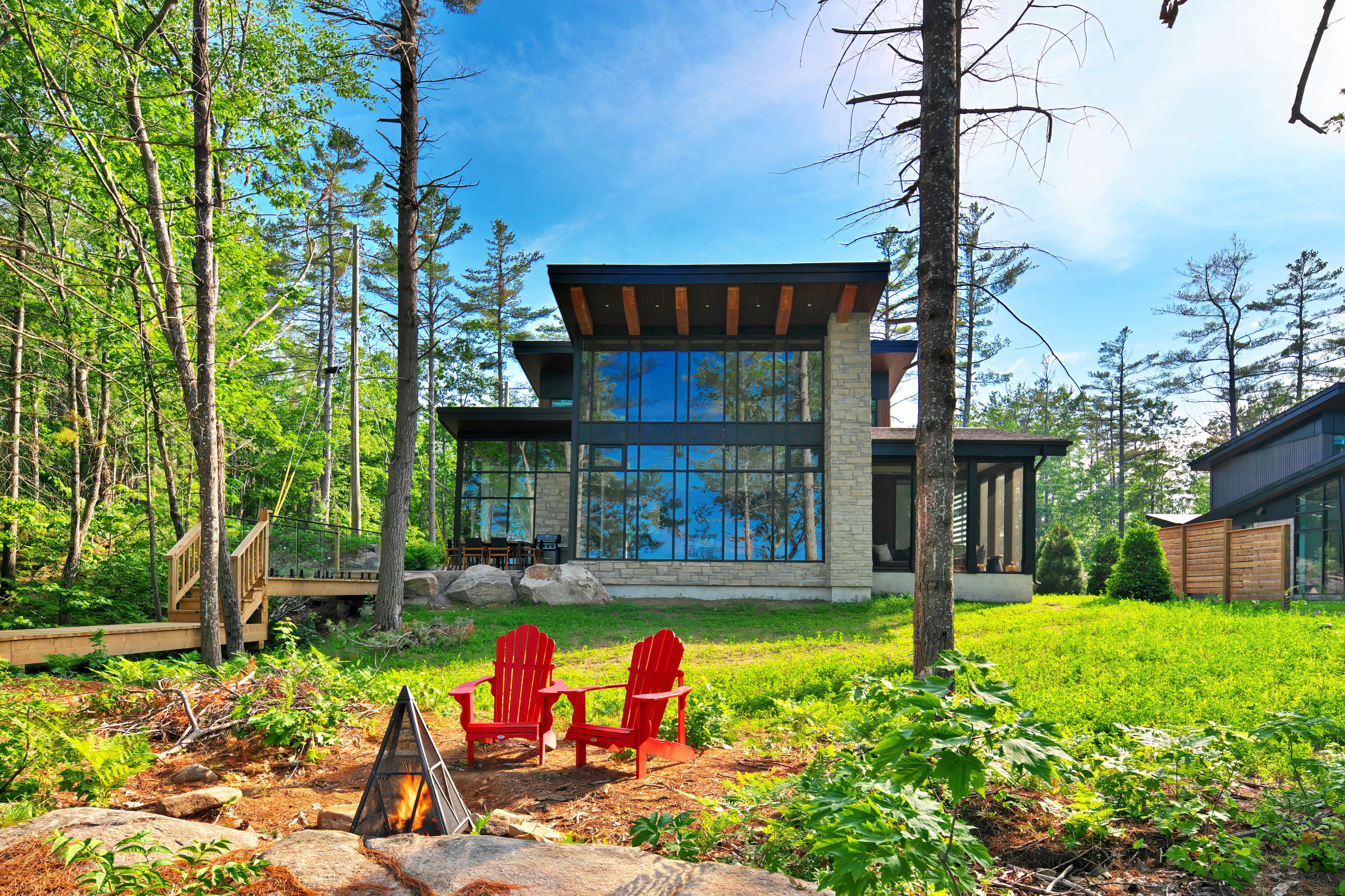
Outdoor spaces in Westlake Hills properties often drive booking decisions given the neighborhood's natural beauty and climate supporting year-round outdoor living. Professionally landscaped yards, resort-style pools with heating, outdoor kitchens with high-end grills and prep areas, covered patios with quality furniture and ceiling fans, fire features, and thoughtful lighting creating evening ambiance transform outdoor areas into primary selling points. Investment in outdoor spaces typically returns 3-5x through rate premiums and increased bookings, particularly during peak spring and fall seasons when Austin weather maximizes outdoor entertainment value. Properties with neglected yards, basic pools, or minimal outdoor furnishings underperform comparable homes investing in outdoor excellence.
Technology integration enhances both guest experience and operational efficiency. Smart home systems controlling lighting, temperature, and entertainment through centralized interfaces provide convenience guests expect from luxury accommodations. High-speed internet supporting multiple simultaneous video calls, smart TVs in multiple rooms with streaming services, whole-home audio systems, and security systems with smart locks enable seamless guest experiences while supporting property protection. Many Westlake Hills properties invest $15,000-$30,000 in technology infrastructure, recognizing these systems justify premium positioning while reducing operational friction through keyless entry, remote property monitoring, and automated climate control.
Bedroom and bathroom standards must exceed hotel luxury expectations. Premium mattresses (often $2,000-$5,000 per king bed), luxury linens with high thread counts, multiple pillow options, blackout window treatments, adequate bedside lighting, and spacious closets with quality hangers create sleeping sanctuaries justifying premium rates. Bathrooms require designer fixtures, rainfall showerheads, soaking tubs in primary bathrooms, luxury bath products, plush towels (not thin economy linens), heated floors in primary bathrooms, and spa-like finishes. Guests specifically mention bathroom quality in reviews—exceptional bathrooms generate praise while dated or basic bathrooms trigger criticism damaging luxury positioning regardless of other property strengths.
Understanding Luxury Guest Expectations and Demographics
Corporate retreat groups represent significant Westlake Hills demand, particularly properties accommodating 8-12+ guests with dedicated meeting spaces. Tech companies, consulting firms, executive teams, and professional organizations book Westlake Hills properties for strategic planning sessions, team offsites, and leadership retreats seeking environments combining professional functionality with residential comfort. These groups require high-speed internet supporting video conferencing, large dining tables accommodating working sessions, outdoor spaces enabling team activities, and multiple living areas allowing simultaneous work and relaxation. Properties positioning for corporate retreats can capture mid-week bookings during typically slower periods while commanding premium rates from corporate budgets prioritizing experience quality over cost minimization.
Multi-generational family gatherings drive substantial Westlake Hills bookings around holidays, milestone celebrations, and summer vacations. Affluent families gathering from multiple cities to celebrate anniversaries, birthdays, reunions, or simply spend quality time together prioritize space, privacy, multiple bedroom suites allowing family units privacy, and amenities entertaining all ages from children to grandparents. These bookings often extend 4-7 nights with guests spending significant time at properties rather than treating them as sleeping bases, requiring fully-equipped kitchens, entertainment options, and comfortable common areas facilitating family interaction. Family guests generally treat properties respectfully and generate positive reviews when properties meet space and amenity expectations.
Affluent couples seeking luxury getaways book Westlake Hills properties offering romance-focused amenities and experiences. Anniversary celebrations, babymoon trips, milestone birthdays, or simply couples retreats drive demand for properties featuring primary suites with spa-like bathrooms, private outdoor spaces with hot tubs or pools, proximity to wineries and fine dining, and concierge services arranging romantic experiences. These guests often book last-minute, pay premium rates without price sensitivity, and appreciate personalized touches like welcome champagne, arranged flowers, or restaurant reservations. Properties positioning specifically for couples through romantic design, privacy, and intimate spaces can capture lucrative bookings complementing family-focused inventory.
Relocating executives and professionals represent extended-stay luxury demand where individuals or families transitioning to Austin need temporary housing during home purchases or while establishing residency. These guests book 30-90 day stays requiring residential functionality (well-equipped kitchens, laundry, workspace, parking) combined with luxury amenities making extended stays comfortable. Monthly rates of $12,000-$25,000 for luxury properties provide revenue stability while reducing turnover costs and vacancy periods. Professional property management services handling extended-stay logistics, maintenance coordination, and tenant relationships enable owners to capture this market segment without intensive ongoing involvement.
International travelers seeking luxury Austin experiences increasingly discover Westlake Hills properties through global vacation rental platforms and luxury travel services. European, South American, and Asian affluent travelers visiting Austin for business, tourism, or visiting family prefer luxury vacation rentals over hotels for space, privacy, and authentic residential experiences. These guests often book longer stays (7-14+ nights), pay rates without negotiation, and appreciate concierge assistance navigating Austin culture, dining, and attractions. Properties marketing to international audiences through translated listings, 24/7 communication support, and culturally-informed hospitality capture this growing segment.
Premium Pricing Strategies and Revenue Optimization
Luxury property pricing operates on fundamentally different principles than mid-market vacation rentals. Rather than competing primarily on rate, luxury properties compete on value—the relationship between price and perceived experience quality. Properties priced too low risk attracting guests not aligned with luxury expectations while damaging perceived value ("something must be wrong if it's this cheap"). Strategic premium pricing of $500-$1,200+ nightly establishes luxury market positioning while filtering guest demographics toward affluent travelers appreciating and affording exceptional accommodations and services.
Base rate establishment should reflect property investment, market positioning, and target guest demographics rather than simply undercutting competitors. A Westlake Hills property investing $150,000 in furnishings and design should price 30-50% above properties with basic staging, capturing returns justifying ongoing reinvestment maintaining luxury standards. Analyzing comparable luxury properties within Westlake Hills and adjacent upscale neighborhoods (Barton Creek, Rob Roy) provides pricing context, but direct price matching ignores property-specific value propositions. Properties offering superior outdoor spaces, better views, upgraded amenities, or enhanced services command justified premiums over less distinctive luxury listings.
Seasonal pricing variations in Westlake Hills reflect Austin's event calendar and climate patterns while maintaining luxury positioning. Spring months (March-May) support highest rates through SXSW festival, Formula 1 racing, pleasant weather, and general peak tourism. October commands premium rates during Austin City Limits festival and ideal fall weather. Summer maintains solid performance through family vacations and corporate retreats despite heat, while winter (excluding holidays) requires strategic positioning capturing relocating professionals and guests seeking lower rates on luxury accommodations. Properties implementing seasonal adjustments of 20-40% between peak and off-peak periods optimize revenue while maintaining occupancy year-round.
Minimum night requirements protect revenue and operational efficiency. Unlike budget properties maximizing turnover, luxury listings benefit from 3-5 night minimums during regular periods and 5-7 night minimums during peak events. Longer stays reduce turnover costs ($800-$1,500 per turnover for luxury properties), minimize property wear, enable higher per-stay revenues despite slightly lower nightly rates, and attract family groups and corporate retreats booking extended periods. Weekend-only bookings (Friday-Sunday) create revenue limitations compared to flexible policies capturing Tuesday-Friday corporate groups or Sunday-Thursday extended stays. Strategic minimum night policies balance revenue optimization with booking flexibility.
Premium packages and add-on services generate incremental revenue while enhancing guest experiences. Pre-arrival grocery stocking ($150-$300 fees plus grocery costs), chef services ($500-$2,000 per meal depending on menu), massage and spa services ($200-$400 per treatment), activity arrangements, private yoga or fitness instruction, and specialized experiences create revenue streams beyond accommodation rates. Many luxury guests booking $5,000-$10,000 stays readily add $1,000-$2,000 in services enhancing visits, viewing these costs as reasonable given overall trip investments. Properties partnering with quality local service providers offering commission splits (typically 15-25%) generate revenue while elevating guest experiences.
Damage deposits and security requirements must align with property values and luxury positioning. Deposits of $1,000-$3,000 protect against damage while signaling property value and guest expectations. Security deposit processing through platforms like Safely or Superhog provides insurance backing and simplified resolution versus holding actual cash deposits. Some luxury properties implement higher deposits ($5,000+) for particularly valuable properties or during high-risk periods (New Year's Eve, large group bookings), though excessive deposits can deter bookings. Clear damage policies, photographic documentation, and professional cleaning protocols support deposit justification when damage occurs.
Concierge Services Differentiating Luxury Properties
Twenty-four-hour concierge support represents baseline luxury guest expectations rather than premium upgrades. Affluent travelers accustomed to five-star hotels and luxury services expect immediate responses to questions, rapid issue resolution, and proactive service anticipating needs. Properties offering only email communication or delayed responses fall below luxury standards regardless of physical property quality. Professional property management providing 24/7 phone support, text messaging, and rapid emergency response (within 30-60 minutes for critical issues) meets luxury hospitality standards justifying premium positioning and protecting five-star review performance.
Pre-arrival services begin guest experiences before check-in, establishing luxury service expectations. Detailed pre-arrival communications confirming reservations, providing property information, offering grocery stocking services, arranging transportation from airports, and gathering dietary preferences or special requests demonstrate attentiveness distinguishing luxury management. Many luxury guests appreciate proactive outreach offering services rather than requiring them to request assistance. Properties asking "how can we enhance your stay?" rather than simply providing check-in instructions position as luxury hospitality providers versus transactional accommodations.
Grocery and provisioning services transform arrivals by eliminating shopping trips after travel. Guests provide shopping lists or select from curated packages (breakfast essentials, cocktail party provisions, healthy meal components), properties coordinate grocery delivery and stocking before arrival, and guests arrive to fully-provisioned homes ready for immediate enjoyment. Service fees of $150-$300 plus grocery costs prove trivial for guests spending $5,000+ on accommodations while dramatically enhancing arrival experiences. Partnerships with Whole Foods, Central Market, or specialty food providers ensure quality matching luxury property standards.
Private chef services elevate group celebrations and corporate retreats through exceptional dining without restaurant logistics. Properties partnering with Austin private chefs offering everything from casual BBQ gatherings to multi-course tasting menus enable guests to enjoy restaurant-quality dining at properties. Chef services typically range $500-$2,000 per meal depending on menu complexity, guest count, and service style (family-style versus plated service). Many corporate retreat groups and family celebrations view private chef experiences as highlights of stays, justifying costs through convenience, quality, and shared experiences impossible at restaurants.
Activity and experience coordination showcases local knowledge while eliminating guest research and booking friction. Concierge services arranging winery tours, Lake Austin boat charters, golf tee times at private courses, spa appointments at luxury facilities, private fitness instruction, photography sessions, or curated Austin experiences demonstrate property management expertise and connections. Properties charging modest coordination fees (15-25% of activity costs) or receiving referral commissions from partnered providers generate revenue while enhancing guest satisfaction and review performance.
On-site amenities and supplies matching five-star hotels set luxury vacation rentals apart. Welcome gifts (local wine, artisanal chocolates, fresh flowers), luxury bath products (not economy toiletries), quality coffee and tea selections, pool towels (separate from bath towels), beach/pool toys for families, board games and books, streaming entertainment access, and thoughtful touches like fresh herbs for cooking demonstrate attention to detail guests notice and mention in reviews. Upfront investment of $2,000-$5,000 in welcome supplies and recurring costs of $200-$500 per booking proves worthwhile through enhanced guest experiences and review performance.
Operational Excellence for Luxury Properties
Cleaning standards must exceed residential quality achieving hospitality industry levels. Professional cleaning teams trained in luxury hospitality standards, detailed cleaning checklists covering every surface and item, white-glove attention to details like window sills and light fixtures, and quality inspection protocols ensuring consistent execution protect luxury positioning. Cleaning costs for luxury properties typically range $400-$800 per turnover versus $150-$250 for standard properties, reflecting additional time, supplies, and quality requirements. Under-investing in cleaning inevitably triggers negative reviews mentioning cleanliness deficiencies—the fastest way to damage luxury property performance regardless of other strengths.
Maintenance must adopt preventive approaches versus reactive problem-solving. Luxury properties require quarterly maintenance inspections identifying and addressing issues before guest arrivals, seasonal maintenance (HVAC servicing, pool equipment checks, landscape refreshes), immediate repairs of any deficiencies, and proactive replacement of aging elements before failures occur. Maintenance budgets of 12-15% of gross revenue (versus 8-10% for standard properties) enable preventive approaches protecting luxury positioning and avoiding guest-facing issues damaging review performance. Properties deferring maintenance to minimize costs inevitably face larger repairs, negative reviews, and damaged luxury credibility requiring months to rebuild.
Property insurance must reflect luxury property values and vacation rental operations. Standard homeowners insurance typically excludes short-term rental activities, creating coverage gaps for commercial operations. Specialized vacation rental insurance or commercial property policies protect against guest injuries, property damage, loss of rental income, and liability exposures inherent to hospitality operations. Premium costs of 0.8-1.5% of property value (versus 0.4-0.6% for standard homeowners policies) prove essential for protecting assets worth $2-3 million+ and avoiding catastrophic exposures. Under-insured luxury properties risk financial devastation from single incidents that proper coverage would address.
Linen and supply quality must match luxury property positioning. Hotel-quality linens (300+ thread count, pure cotton), luxury bath towels (not economy thin towels), quality kitchen towels and oven mitts, adequate quantities ensuring fresh items without laundry urgency, and regular replacement maintaining like-new conditions justify luxury rates. Many successful luxury properties maintain double inventory sets enabling immediate turnovers without depending on laundry services. Initial investment of $5,000-$10,000 in quality linens proves worthwhile through guest satisfaction and operational flexibility versus ongoing complaints about thin towels or inadequate supplies.
Technology systems require ongoing optimization and maintenance. Smart home systems need regular updates, troubleshooting, and user interface refinements ensuring guest-friendly operation. Internet systems must deliver promised speeds through quality routers, mesh networks eliminating dead zones, and backup solutions preventing connectivity failures. Entertainment systems require streaming service management, remote control organization, and occasional updates. Many luxury properties retain technology consultants providing quarterly system reviews, immediate troubleshooting, and optimization ensuring technology enhances rather than frustrates guest experiences.
Guest Screening and Booking Management
Guest verification processes protect luxury properties while maintaining hospitality warmth. Comprehensive screening including government ID verification, booking platform history review, communication assessment during inquiry phase, and sometimes reference checks for high-value bookings identify concerning patterns before confirmations. Properties implementing verification requirements see reduced damage incidents, fewer party situations, and better overall guest quality, though strict policies must balance protection with conversion optimization avoiding deterring legitimate luxury guests through excessive friction.
Communication screening reveals important guest information beyond platform profiles. How guests inquire, questions asked, responsiveness to property questions, and booking purpose details help assess guest-property fit. Luxury travelers typically communicate professionally, ask thoughtful questions about amenities and services, and provide booking context (anniversary celebration, family reunion, corporate retreat). Vague inquiries, generic questions, or evasive responses to basic questions may indicate concerns warranting additional screening or polite booking declines when red flags accumulate.
Damage deposit policies must balance property protection with guest experience. High deposits ($2,000-$3,000) signal property value and establish accountability, but excessive requirements or complex deposit processes deter bookings and create friction. Security deposit services handling verification, claims processing, and insurance backing eliminate cash deposit holds while protecting properties through insurance coverage. Clear damage policies with photographic documentation, understanding that normal wear differs from negligence, and professional processing when issues arise maintain positive relationships even when charging necessary fees.
House rules for luxury properties must address appropriate issues without creating unwelcoming atmospheres. Rules covering occupancy limits, parking, quiet hours (particularly important in residential Westlake Hills), pool usage, smoking policies, and event restrictions protect properties and neighbors. However, excessive or petty rules damage luxury hospitality impressions—guests paying $800+ nightly don't expect rules about shoe policies or leaving lights off. Focusing rules on important issues while trusting guests to respect luxury accommodations balances protection with hospitality warmth.
Declining bookings when appropriate protects property integrity and neighborhood relationships more than capturing every revenue opportunity. Same-day bookings from local residents, inquiries asking about party capacity, bookings where guests evade questions about booking purpose, or situations where screening raises concerns all warrant polite declines. While declining bookings sacrifices immediate revenue, protecting property condition, maintaining neighbor goodwill, and avoiding reviews from mismatched guests proves more valuable long-term than capturing every possible booking regardless of risk.
Marketing Luxury Properties to Affluent Audiences
Professional photography represents the single highest-impact marketing investment for luxury properties. Amateur or smartphone photos fail to showcase luxury property qualities, while professional photography with proper lighting, staging, composition, and editing transforms listing appeal. Investment in photography typically ranges $1,500-$3,000 for comprehensive shoots capturing interiors, exteriors, amenity details, and lifestyle shots demonstrating guest experiences. Properties updating photography annually or after significant improvements maintain competitive visual presentation as booking platform algorithms and guest expectations evolve.
Listing optimization for luxury market positioning requires different approaches than standard vacation rental marketing. Titles emphasizing luxury positioning ("Luxurious Westlake Hills Estate," "Five-Star Westlake Retreat"), detailed descriptions showcasing amenities and services, high-quality photos presented in strategic sequence (leading with strongest shots), and comprehensive amenity listings ensure properties appear in luxury-filtered searches. Many luxury travelers specifically search "luxury" terms, filter by price thresholds ($500+ nightly), and review properties meeting quality standards—properties not positioning obviously as luxury miss these bookings.
Direct booking websites enable commission-free bookings while establishing independent luxury brands. Professional property websites showcasing properties through galleries, detailed descriptions, guest testimonials, and direct booking capabilities capture guests preferring direct relationships over platform bookings. Website investment of $3,000-$8,000 for professional development plus $500-$1,000 annually for hosting and maintenance proves worthwhile through commission savings (15-20% of booking value) on direct bookings. Many luxury guests discovering properties through platforms then book directly for subsequent stays when offered incentives (5-10% discounts on direct bookings).
Strategic platform presence balances broad exposure with luxury positioning. Airbnb reaches massive audiences but requires careful positioning avoiding budget-focused guests. Vrbo attracts family vacation travelers and corporate retreat planners but maintains vacation rental rather than luxury hospitality focus. Specialized luxury platforms like Luxury Retreats, Plum Guide, or boutique luxury rental agencies reach specifically affluent travelers seeking vetted luxury properties. Multi-platform presence maximizes exposure while different platforms capture distinct guest segments supporting year-round occupancy.
Social media marketing showcases property experiences while building direct booking audiences. Instagram content highlighting property beauty, guest experiences, local attractions, and seasonal opportunities builds followings converting to direct bookings. Properties investing in social media content creation ($500-$1,500 monthly for professional content and management) build marketing assets generating ongoing returns through growing direct booking channels and reduced platform dependency. Many successful luxury properties view social media as long-term brand building versus immediate booking drivers, building audiences over months and years creating sustainable direct booking revenue.
Managing luxury vacation rentals in Westlake Hills requires specialized expertise, substantial operational investment, and unwavering commitment to hospitality excellence. Properties achieving top-10% performance typically combine exceptional physical properties with sophisticated management delivering five-star guest experiences justifying premium positioning. Owners lacking time, expertise, or operational infrastructure to execute luxury management successfully partner with professional property management companies specializing in luxury hospitality, recognizing that professional management fees of 20-30% prove worthwhile through superior revenue performance, property protection, and guest satisfaction impossible to achieve through self-management or generic property management lacking luxury market expertise and operational capabilities.