Interior Design Trends for Austin Airbnbs: What Guests Actually Want
Interior design isn't about personal aesthetic preferences when you're running a profitable Austin Airbnb. It's about creating spaces that photographs exceptionally well, appeals to your target market, and justifies premium nightly rates. Data from thousands of Austin bookings reveals specific design elements that drive reservations, improve reviews, and increase revenue.
Strategic pops of color through artwork, textiles, and decor prevent spaces from feeling sterile while maintaining visual coherence. Burnt orange nods to UT Austin, turquoise references Southwestern traditions, and sage greens connect to Hill Country landscapes. These color stories create distinctiveness without overwhelming spaces or limiting appeal.
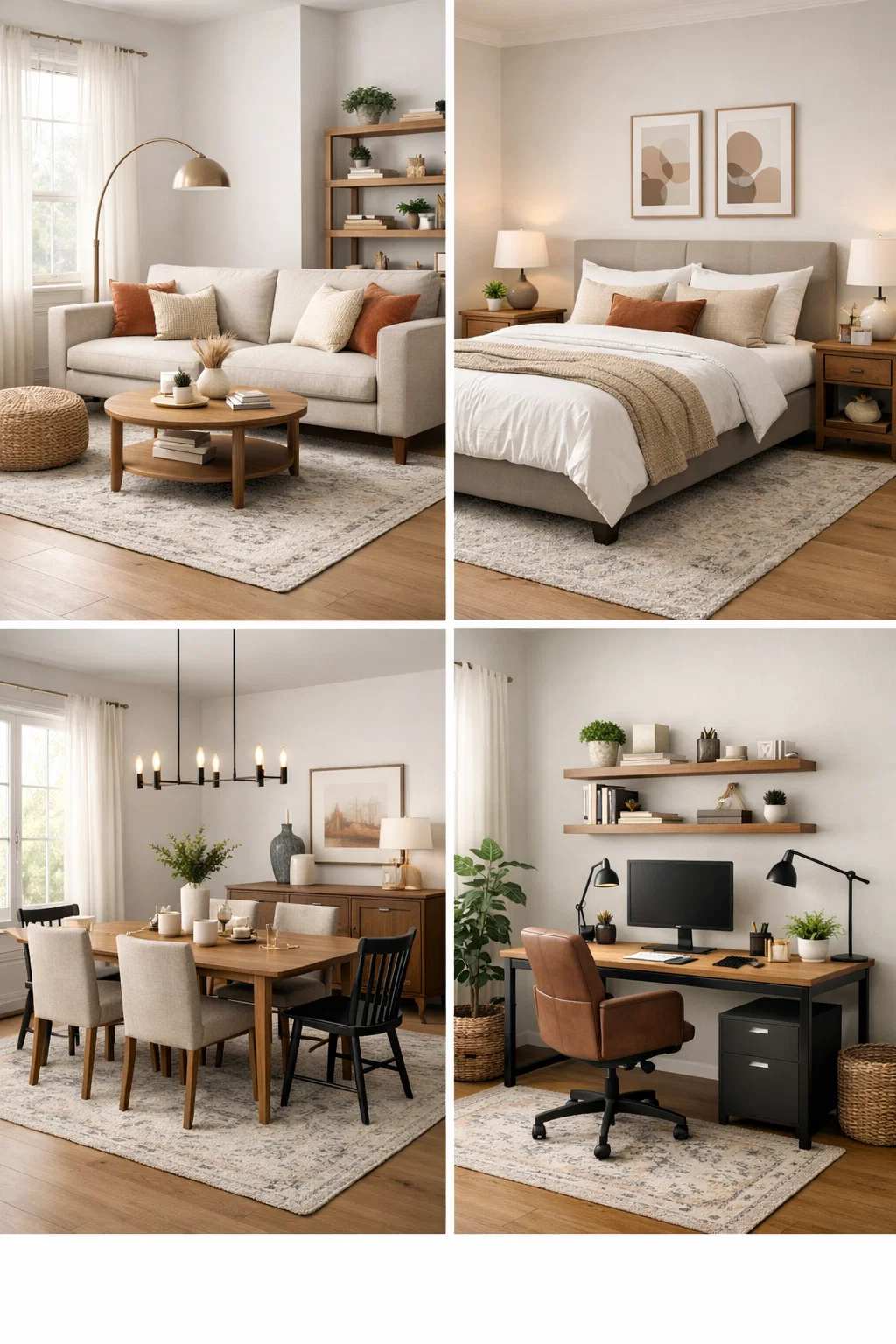
The Modern Texas Aesthetic
Incorporate natural materials like reclaimed wood, leather accents, and stone elements that reference Texas heritage without veering into kitsch. Neutral palettes with warm undertones—creams, taupes, soft grays—create calming bases that let architectural features and statement pieces shine. These foundations photograph beautifully and appeal across demographic segments.
Top TLDR:
Interior design trends for Austin Airbnbs that guests actually want include modern Texas aesthetics with natural materials, open-concept layouts, spa-like bathrooms, outdoor living extensions, and Instagram-worthy spaces that balance style with durability. Austin guests prefer neutral palettes with warm undertones, local artwork, quality furnishings, and functional kitchens that justify 15-30% premium rates over basic listings. Start by photographing your property professionally after implementing cohesive design that appeals to your target market while prioritizing durability for high-turnover vacation rental use.
Understanding Guest-Driven Design Strategy
Interior design isn't about personal aesthetic preferences when you're running a profitable Austin Airbnb. It's about creating spaces that photographs exceptionally well, appeals to your target market, and justifies premium nightly rates. Data from thousands of Austin bookings reveals specific design elements that drive reservations, improve reviews, and increase revenue.
Guest expectations have evolved significantly. Today's travelers seek Instagram-worthy interiors that balance aesthetic appeal with functional comfort. Properties that nail this combination consistently outperform competitors, commanding 15-30% higher rates while maintaining superior occupancy. Understanding what Austin guests actually want—versus trendy design that looks good but doesn't perform—separates successful hosts from those achieving mediocre results.
The Modern Texas Aesthetic That Converts
Austin's design identity blends contemporary minimalism with warm Southwestern influences and organic Hill Country elements. This modern Texas aesthetic resonates with travelers seeking authentic local character rather than generic hotel-style interiors. Properties embracing this regional style photograph distinctively and appeal to guests wanting genuine Austin experiences.
Incorporate natural materials like reclaimed wood, leather accents, and stone elements that reference Texas heritage without veering into kitsch. Neutral palettes with warm undertones—creams, taupes, soft grays—create calming bases that let architectural features and statement pieces shine. These foundations photograph beautifully and appeal across demographic segments.
Strategic pops of color through artwork, textiles, and decor prevent spaces from feeling sterile while maintaining visual coherence. Burnt orange nods to UT Austin, turquoise references Southwestern traditions, and sage greens connect to Hill Country landscapes. These color stories create distinctiveness without overwhelming spaces or limiting appeal.
Open-Concept Living Spaces That Photograph Well
Austin guests consistently prefer open floor plans that facilitate group gathering and entertaining. Properties with defined yet flowing spaces between kitchen, dining, and living areas outperform those with choppy, closed-off layouts. This preference reflects both Austin's social culture and the practical needs of groups traveling together.
Design these zones intentionally rather than leaving them as empty expanses. Use area rugs, furniture arrangement, and lighting to create distinct areas within open spaces. This approach provides visual interest in listing photos while giving guests functional zones for different activities—cooking, dining, lounging, working.
Maximize natural light through window treatments that provide privacy without blocking brightness. Floor-to-ceiling curtains in light fabrics make spaces feel taller and more expansive. Austin's abundant sunshine is an asset—design should enhance rather than fight it. Well-lit interiors photograph dramatically better than dark spaces, directly impacting booking conversion rates.
Kitchen Design That Appeals to Cooking-Focused Travelers
Austin's food culture means many guests want functional kitchens where they can prepare meals, not just coffee. Design kitchens that look impressive in photos while providing genuine utility. Stainless steel appliances, stone countertops, and quality fixtures signal attention to detail that guests associate with overall property quality.
Open shelving displays attractive dishware and creates visual interest, but balance aesthetics with practicality. Too much open shelving creates dust problems and looks cluttered between cleanings. Mix open shelves (styled beautifully for photos) with closed cabinetry that conceals everyday items guests use during stays.
Kitchen islands provide both workspace and informal seating that facilitates social interaction while cooking. Bar stools around islands create casual dining options popular with groups. These features photograph well and serve functional purposes that guests mention positively in reviews.
Bedroom Sanctuaries That Prioritize Sleep Quality
Bedroom design significantly impacts review scores because sleep quality directly affects guest satisfaction. Create calm, uncluttered spaces focused on rest rather than packing in features. Neutral palettes, quality mattresses with premium linens, and blackout window treatments form the foundation of five-star bedroom experiences.
Invest in substantial headboards that anchor bedroom design and photograph impressively. Upholstered headboards in neutral fabrics or reclaimed wood statement pieces create focal points without overwhelming spaces. Layer bedding with multiple pillows, throws, and textural variety that conveys luxury in listing photos.
Adequate nightstand space with convenient outlets and reading lights meets practical needs that frustrated guests mention in negative reviews. Design should anticipate guest requirements—phone charging locations, luggage storage space, comfortable seating beyond the bed. These functional considerations prevent the issues that damage satisfaction scores.
Bathroom Design Trends That Justify Premium Pricing
Spa-like bathrooms command premium rates and generate enthusiastic reviews. Walk-in showers with rainfall showerheads, high-quality fixtures, and thoughtful amenities create hotel-caliber experiences. Properties with luxurious bathrooms differentiate themselves in competitive markets where many rentals feature builder-grade fixtures and dated tiles.
Double vanities in primary bathrooms appeal to couples and prevent morning bottlenecks when multiple guests share spaces. Quality mirrors with good lighting serve practical purposes while creating depth that makes bathrooms feel larger in photos. Frameless glass shower enclosures maintain clean lines that photograph better than shower curtains or framed doors.
Heated floors, towel warmers, and quality bath products transform ordinary bathrooms into memorable experiences guests mention in reviews. These investments seem indulgent but generate measurable returns through higher rates and booking conversion. Travelers increasingly expect boutique hotel amenities at vacation rentals, making bathroom upgrades strategic revenue drivers.
Outdoor Living Extensions That Capture Austin's Lifestyle
Austin's climate and culture make outdoor spaces equally important as interior design. Furnished patios, outdoor dining areas, and entertainment spaces extend usable square footage while embodying the indoor-outdoor living that defines Austin lifestyles. These areas generate the most-shared listing photos and justify significant rate premiums.
Design outdoor spaces as true living areas with weather-resistant furniture, adequate seating, dining capability, and entertainment features. String lights, outdoor rugs, and decorative elements create ambiance that photographs beautifully at dusk. These spaces should feel intentionally designed rather than afterthoughts with random furniture.
Shade structures, ceiling fans, and misting systems extend outdoor usability through hot summer months. Properties enabling comfortable outdoor living year-round outperform those where exterior spaces become unusable in extreme weather. This functionality differentiates Austin properties in a market where outdoor amenities directly impact bookings.
Strategic Art and Decor That Builds Local Connection
Local artwork and Austin-themed decor create distinctive character while connecting guests to place. Photography of iconic Austin landmarks, local artist paintings, or Texas-themed pieces tell stories that generic mass-market art cannot. These personal touches differentiate your listing and justify premium positioning.
However, avoid heavy-handed theming that feels hokey. Subtle references work better than properties decorated like Austin tourist shops. A few statement pieces celebrating local culture suffice—live music venue photography, Hill Country landscape art, or pieces from East Austin galleries. Quality matters more than quantity.
Wall galleries create visual interest and photograph dynamically. Mix frames, sizes, and subject matter while maintaining cohesive color palettes. These curated collections suggest professional design attention that guests associate with overall property quality. Empty walls signal neglect; thoughtful art signals care and investment.
Furniture Selection for Both Form and Function
Furniture choices dramatically impact both aesthetic appeal and guest satisfaction. Select pieces balancing style with durability and comfort. That Instagram-perfect white sofa looks amazing but shows wear quickly and stresses guests worried about stains. Gray, tan, or patterned upholstery hides use better while still photographing well.
Invest in quality sofas and beds that withstand intensive use from rotating guests. Cheap furniture appears budget-conscious initially but requires frequent replacement and generates negative reviews about comfort. Professional-grade furniture designed for rental properties delivers better long-term economics despite higher upfront costs.
Scale furniture appropriately to room sizes. Oversized pieces make spaces feel cramped while undersized furniture looks cheap in photos. Measure carefully and visualize how arrangements photograph from entrance perspectives—first impressions in listing photos determine whether browsers continue scrolling or move to competitors.
Lighting Design That Transforms Spaces
Layered lighting strategies enable functional brightness and ambient mood-setting. Overhead lighting, table lamps, floor lamps, and accent lighting create flexibility that single overhead fixtures cannot provide. This variety photographs well and serves practical needs throughout guests' stays.
Dimmer switches on major fixtures provide control over ambiance and functionality. Bright task lighting for cooking and working, softer evening lighting for relaxation—these options enhance guest experience while preventing the harsh overlighting or inadequate dimness that generates complaints.
Statement light fixtures serve as design focal points while providing essential illumination. Chandeliers, pendant lights, and distinctive fixtures elevate spaces visually and photograph impressively. These investments punch above their weight in perceived luxury and design sophistication that justifies premium rates.
Color Psychology and Palette Selection
Color choices dramatically impact how guests perceive spaces and whether properties photograph attractively. Neutral bases—whites, creams, light grays—create calm foundations that appeal broadly and photograph cleanly. These palettes also maximize flexibility for updating accent colors and decor without complete redesigns.
Strategic accent colors add personality and visual interest without overwhelming spaces. One or two accent colors distributed throughout create cohesion across rooms. Blues promote calmness in bedrooms, warm tones energize social spaces, greens connect to nature—these psychological associations influence guest comfort subconsciously.
Avoid trendy colors that date quickly. Today's popular shade becomes tomorrow's design cliché requiring costly updates. Timeless palettes maintain appeal across years while bold colors in small doses (throw pillows, art, accessories) provide visual interest that's inexpensive to refresh as trends evolve.
Maximizing Small Spaces Through Design
Not every Austin property offers sprawling square footage, but smart design makes smaller spaces feel open and functional. Light colors, strategic mirrors, and multi-functional furniture create illusions of space while serving practical purposes. These techniques help smaller properties compete against larger listings.
Built-in storage, floating shelves, and wall-mounted fixtures preserve floor space that makes rooms feel larger. Reducing visual clutter through hidden storage enhances both photography appeal and guest experience. Spaces that feel calm and organized photograph better than crowded rooms packed with furniture.
Vertical space utilization through tall bookcases, wall art extending toward ceilings, and floor-to-ceiling curtains draws eyes upward and creates height perception. These architectural tricks make standard-height rooms feel more spacious in photos and during stays. Small design changes yield disproportionate spatial perception improvements.
Investing in Design That Delivers ROI
Every design decision should consider return on investment. Professional interior design consultations cost $2,000-5,000 for Austin vacation rentals but often generate 20-40% rate increases by positioning properties distinctively. This transforms mediocre-performing listings into premium properties commanding top-tier pricing.
Staging costs for professional photography yield immediate returns through improved booking conversion. Properties with cohesive design and professional photos convert browsers to bookers 30-50% more effectively than amateur listings. This single investment generates compounding returns throughout your property's operational lifetime.
Professional property management in Austin often includes design consultation services that optimize spaces for maximum guest appeal and photography impact. These expert perspectives identify opportunities amateur eyes miss while preventing costly design mistakes that limit revenue potential.
Maintenance and Durability Considerations
Design for vacation rentals requires different durability considerations than primary residences. High-traffic areas need flooring that withstands intensive use—luxury vinyl plank, tile, or commercial-grade carpet rather than delicate materials requiring frequent replacement. These practical choices prevent premature aging that damages property appeal.
Washable, durable fabrics on furniture and window treatments withstand regular cleaning between guests. Performance fabrics that repel stains and resist wear maintain appearance longer despite intensive use. Investing in quality, cleanable materials reduces long-term costs while preserving the fresh appearance that justifies premium rates.
Furniture with cleanable surfaces—leather, performance upholstery, sealed wood—simplifies turnover cleaning and prevents permanent staining. These practical considerations don't compromise aesthetics but ensure your design vision remains intact across hundreds of guest stays rather than deteriorating within months.
Design Mistakes That Damage Bookings
Certain design choices actively harm performance despite looking attractive. Overly personal decor, family photos, or niche collections make guests feel they're intruding in someone's private space rather than enjoying a vacation rental. Neutral, hotel-inspired design performs better commercially even if less personally expressive.
Inadequate seating for stated occupancy frustrates groups when listing advertises capacity that furniture can't accommodate comfortably. If your property sleeps eight, provide seating for eight at dining tables and in living areas. This functional mismatch generates negative reviews that damage future bookings.
Neglecting window treatments leaves guests feeling exposed and unable to control light for quality sleep. Every bedroom needs blackout or room-darkening capabilities—this non-negotiable feature impacts satisfaction significantly. Design aesthetics shouldn't compromise functional requirements that affect guest comfort.
Adapting Design to Your Target Market
Urban downtown properties attract different guests than Hill Country retreats, requiring distinct design approaches. Downtown condos suit sleek, modern aesthetics appealing to young professionals and festival attendees. Austin property management services help identify target demographics and design accordingly.
Family-oriented properties near parks and attractions benefit from durable, practical design with dedicated kids' spaces. Lake properties emphasize casual, vacation-mode aesthetics with water views and outdoor focus. Understanding your primary guest segments informs design decisions that resonate with those travelers specifically.
Investment properties targeting business travelers prioritize workspaces, strong WiFi, and professional aesthetics over vacation-focused design. Corporate housing competitors emphasize functionality and work-friendly environments rather than experiential touches. Successful design aligns with actual guest needs rather than generic vacation rental aesthetics.
Seasonal Refresh Strategies
Design doesn't end at initial setup—regular refreshes maintain competitive appeal and photograph freshness. Update throw pillows, artwork, and accessories seasonally or annually to keep spaces current without major renovation expenses. These small changes prevent listings from feeling dated as design trends evolve.
Deep cleaning and minor repairs between busy seasons restore properties to like-new condition. Touch up paint, replace worn textiles, and address accumulated wear that guests notice. Properties showing age struggle to command premium rates regardless of underlying design quality.
Monitor competitor listings and guest feedback for emerging preferences. If multiple guests mention lacking certain features or design elements, address these gaps proactively. Continuous improvement based on market feedback ensures your property maintains competitive advantages that justify premium positioning.
Working with Design Professionals
Professional interior designers specializing in vacation rentals understand the unique requirements differing from residential design. They balance aesthetics with durability, photography appeal with functionality, and investment with ROI. Their expertise prevents costly mistakes while optimizing spaces for maximum guest satisfaction and revenue generation.
Request portfolios showing other vacation rental projects, not just residential work. Vacation rental design requires different priorities—durability, photography, broad appeal—that residential designers may not understand. Specialists deliver better results through experience optimizing properties specifically for short-term rental performance.
Clearly communicate your budget, target market, and goals. Designers should explain how each recommendation serves strategic objectives beyond pure aesthetics. Understanding the "why" behind design choices helps you make informed decisions prioritizing investments delivering measurable returns.
Creating Your Competitive Design Advantage
Interior design trends for Austin Airbnbs that guests actually want balance aesthetic appeal with functional performance, local character with broad marketability, and investment with returns. Properties achieving this balance consistently outperform competitors through higher rates, better occupancy, and superior reviews that drive sustainable success.
Successful design stems from understanding your target market, prioritizing features that photograph impressively and function practically, and maintaining spaces that feel fresh despite intensive use. Whether executing design independently or working with professionals, every decision should advance your core objective: creating spaces that convert browsers into bookers and guests into enthusiastic reviewers who return for future stays.
Austin's competitive vacation rental market rewards properties that understand design isn't just decoration—it's strategic positioning that directly impacts revenue. Invest thoughtfully in elements that differentiate your property, justify premium pricing, and create memorable experiences guests share through reviews and social media. When design decisions consistently serve these business objectives, your property achieves the competitive advantages that separate exceptional performers from struggling listings wondering why bookings remain below potential.
Bottom TLDR:
Interior design trends for Austin Airbnbs that guests actually want prioritize modern Texas aesthetics, open layouts, quality furnishings, spa bathrooms, outdoor spaces, and local artwork that photograph exceptionally while withstanding intensive vacation rental use. Properties implementing cohesive, guest-focused design command 15-30% premium rates through superior photography, distinctive character, and memorable experiences that generate five-star reviews. Invest in professional design consultation and staging for photography to optimize your Austin property's competitive positioning, then maintain freshness through seasonal updates and durability-focused material selections.
Full-Service Luxury STR Management
What We Offer:
Listing optimization across Airbnb, VRBO, and more
Professional staging and design guidance to capture attention
Dynamic pricing to stay competitive in Austin’s fast-paced market
24/7 guest communication with a hospitality-first approach
On-the-ground operations: cleaning, restocking, inspections, and maintenance
Owner reporting with clear monthly financials and performance tracking
Work with a Top-Rated Austin Airbnb Cohost
If you're searching for the best Airbnb cohost in Austin, a trusted partner for vacation rental management, or a professional solution for Airbnb property management in Austin, you've found it.
Sora Stays is built to serve discerning property owners who want maximum revenue and minimum effort.
Work with a Top-Rated Austin Airbnb Cohost
Let’s discuss how we can elevate your property and simplify your hosting experience. Reach out today and see why we’re Austin’s leading luxury short-term rental management company.
Why Choose Sora Stays as Your Airbnb Cohost in Austin?
From East Austin condos to Hill Country estates, we handle every detail of your rental with five-star precision. Our local expertise, hands-on approach, and luxury hospitality standards make us the trusted choice for vacation rental property management in Austin.
We’re more than just Airbnb cohosts—we’re strategic partners dedicated to protecting your asset, enhancing guest experience, and optimizing profitability.